100% Alignment
How Blueprint Agile aligns people, process, and purpose to deliver exceptional software products.
Most software projects miss their deadlines, exceed budgets, or wind up missing the mark when it comes to what their users want. Over the last 10 years, with hundreds of clients, we’ve developed a process to shipping great software that keeps users at the center.
What will you learn?
- A method for rapidly aligning and shipping your software
- A process for your product team to gain 100% alignment with business and developers
- A model for your product lifecycle that can be easily integrated
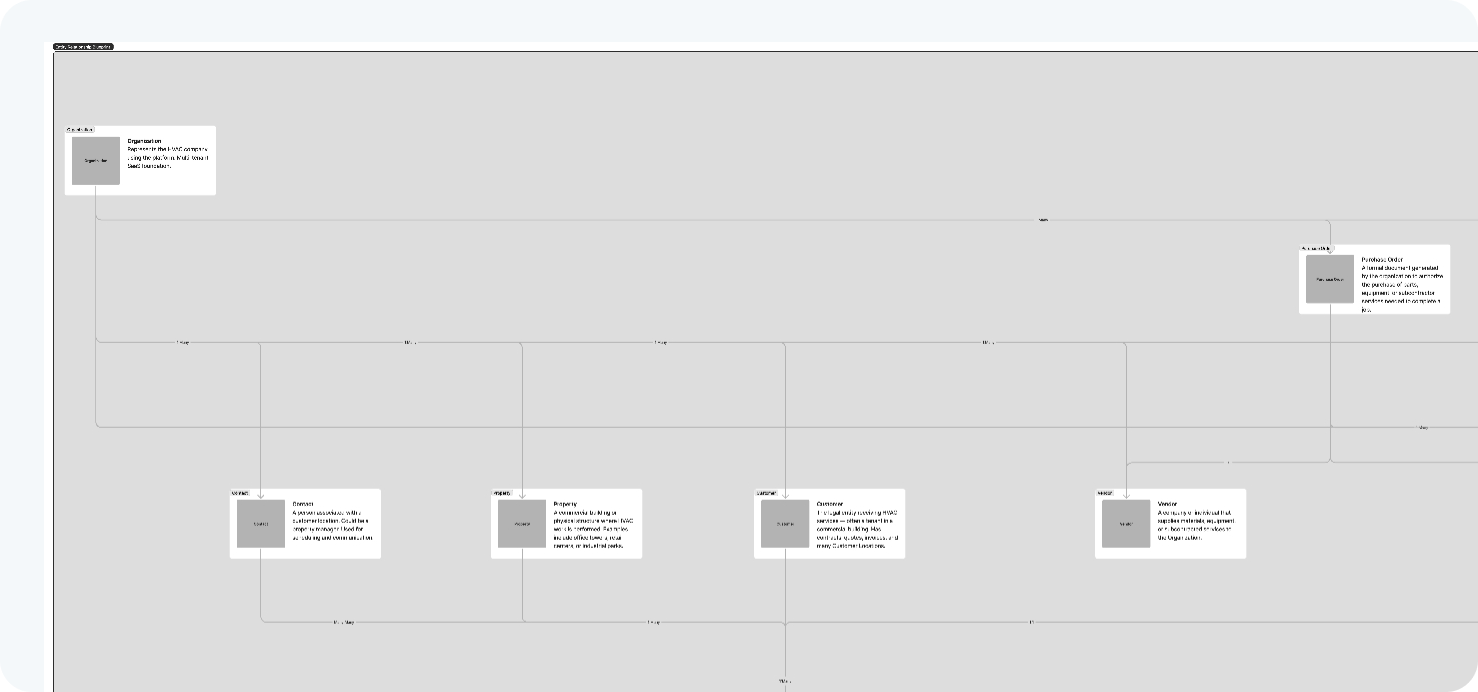
It Begins With The Data Model
The Entity Relationship Blueprint (ERB) is the foundation of your product. During this phase, we'll be defining and organizing the data your product will use. Essentially, it's about identifying the core entities (things like "users", "accounts", "subscriptions", etc.) that your system will interact with and mapping out the relationships between them.
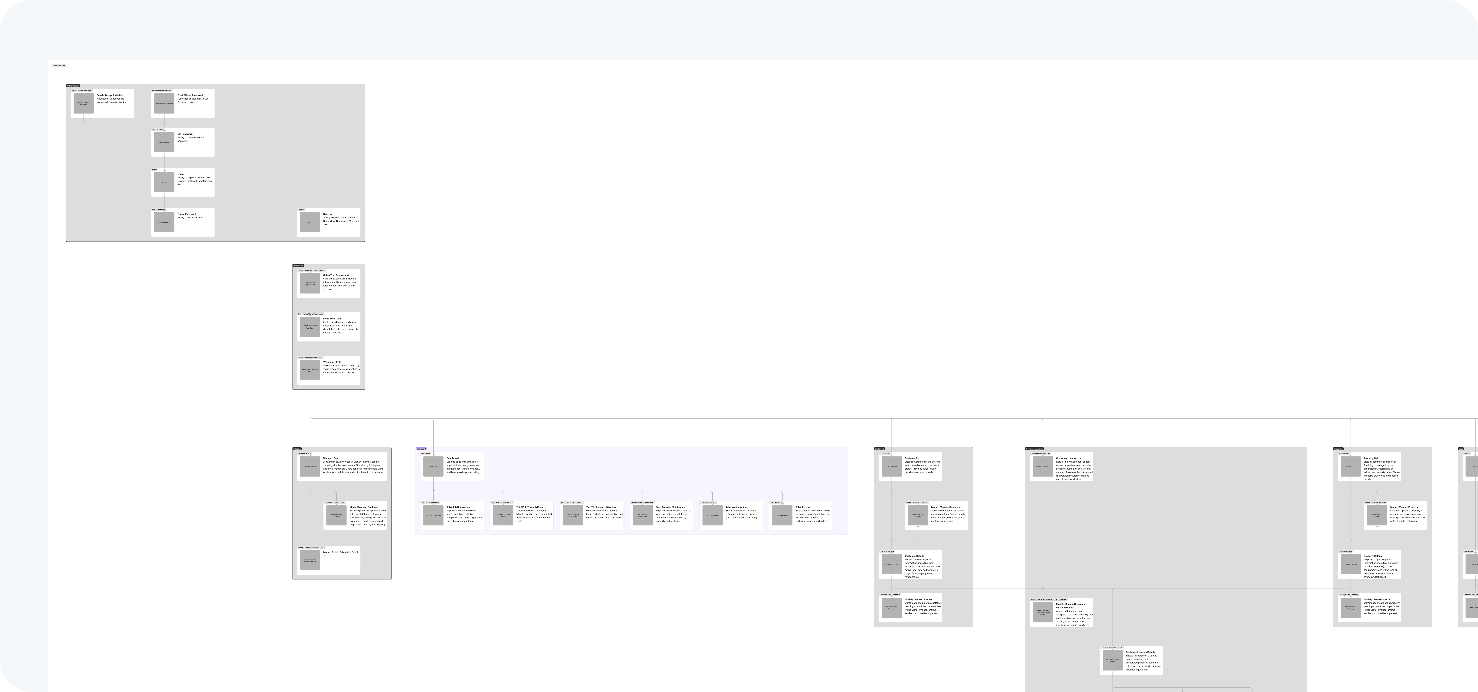
The ERB Reveals the IA
If the ERB provides the data backbone of your product, the Information Architecture Blueprint (IAB) shapes how users will actually experience your product. It's not popular, and it doesn't answer a lot of important questions, but it does provide critical insights about how the user will interact with your application.
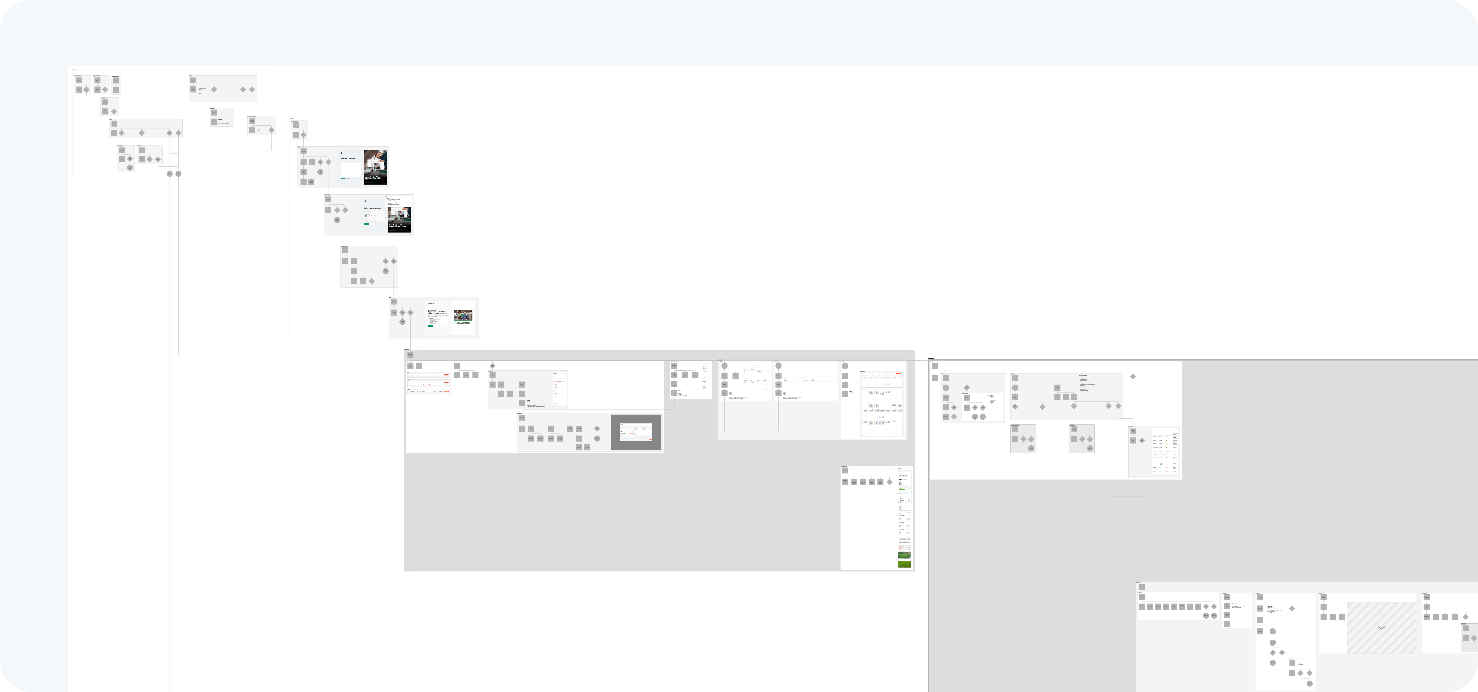
The IA Enables User Flowcharts
The user flowchart is the live, living document that aligns your design and development teams, enables accurate scoping, serves as the planning guide for implementation, and provides a clear understanding of the project's effort. Well, close enough. As with previous phases of the Blueprint Agile process, we're only shooting for an 80% confidence level.
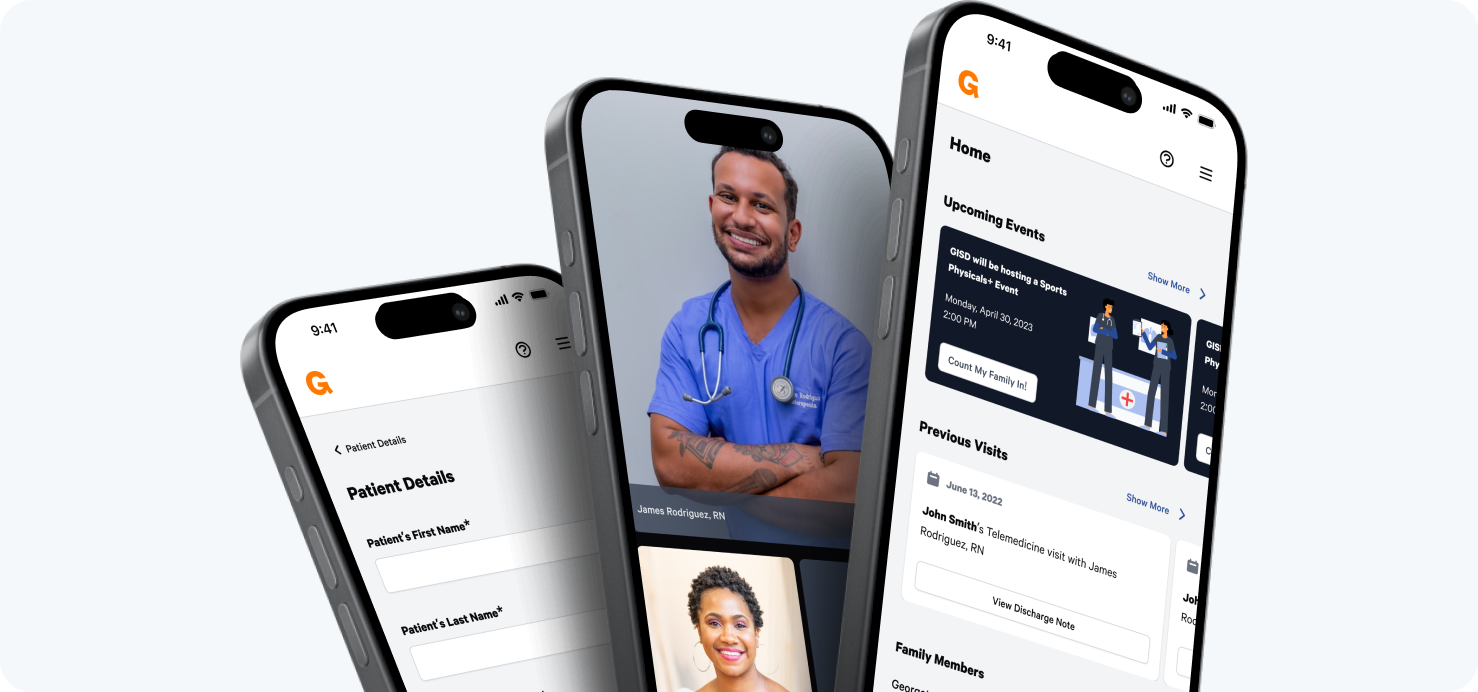
Synchronized Delivery
Synchronized delivery helps better align design and development teams. It allows your design team to stay just ahead of development, creating enough breathing room to allow for creativity and problem-solving, while keeping everything moving smoothly. Instead of vague hand-off from design to development, both teams work in parallel, but on staggered timelines.

